Guides › Brake rotors
Best Brake Rotors: Standard vs Coated vs Drilled
Shaking in the steering wheel when you brake often means warped or worn rotors. Here's what kind to buy.
I may earn a small commission if you buy through links on this page, at no extra cost to you.
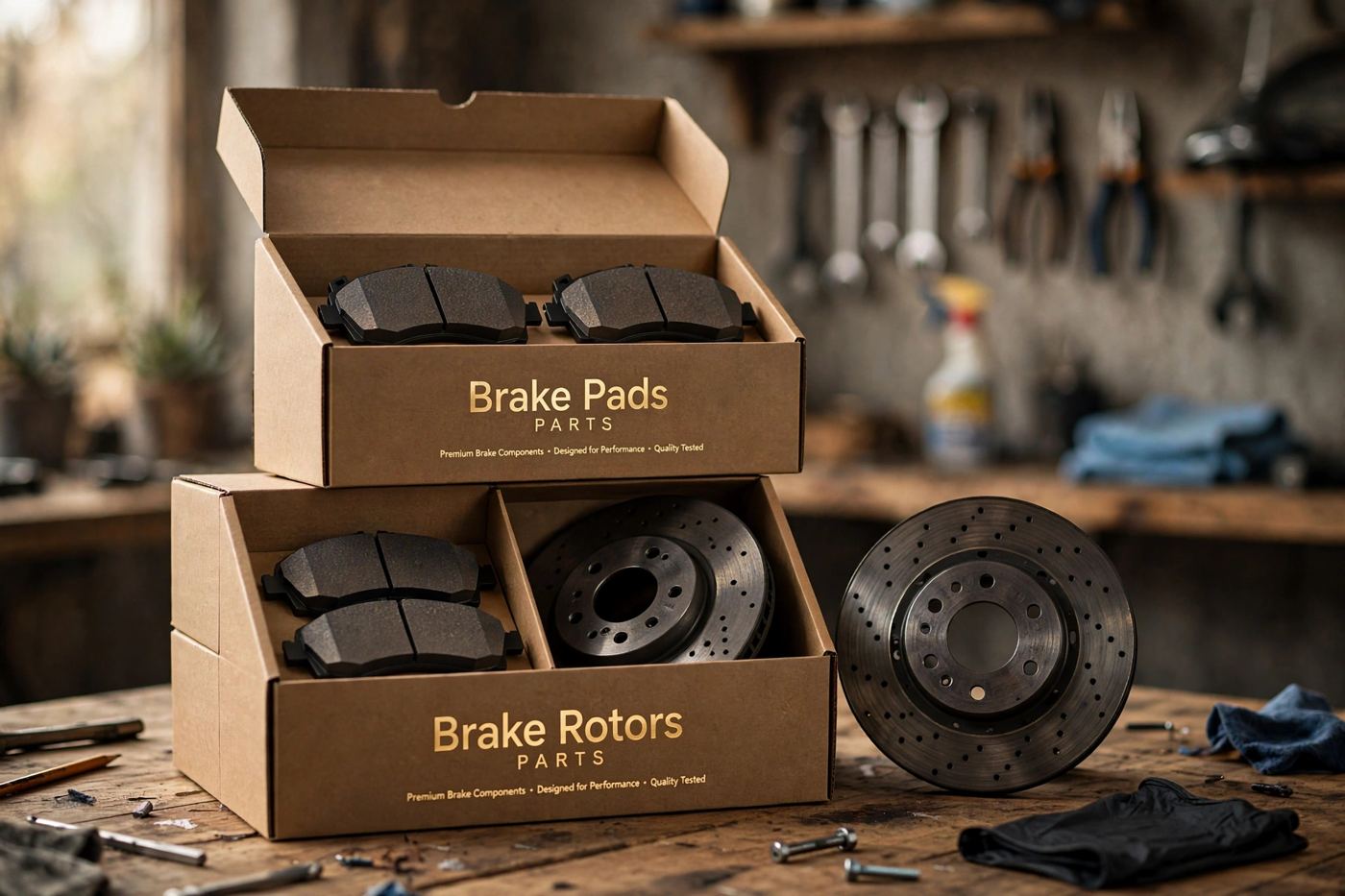
#1 Best overall: coated rotors
Top pickA protective coating fights rust, so they look and work well for longer, especially where roads are salted in winter.
Key trade-off: last longer, but cost a little more.
#2 Best budget: standard rotors
A simple replacement that works like the original rotors on most everyday cars.
Key trade-off: cheapest, but can rust faster.
#3 For performance: drilled and slotted rotors
Popular with sporty drivers. Most everyday cars don't need them.
Key trade-off: sporty look and feel, but pricier and not necessary for normal driving.
Before you buy
- Buy rotors and pads together when possible.
- Replace rotors in pairs (both front or both rear).
- Check your owner's manual for the minimum rotor thickness.
DIY: How to replace your brake rotors
Safety first: Brakes are a safety part. If you're not sure, let a mechanic do it. Replace pads when you replace rotors.
- Raise the car safely on jack stands and remove the wheel.
- Remove the caliper and its bracket and hang the caliper with a wire. Don't let it hang from the brake hose.
- Pull off the old rotor. If it's stuck from rust, a few taps with a rubber mallet can help.
- Clean the hub surface with a wire brush so the new rotor sits flat.
- Install the new rotor, then the caliper bracket, new pads, and caliper.
- Reinstall the wheel, pump the brake pedal several times, and test the brakes slowly before normal driving.
Ready to do it yourself?